Avoid hidden rubbish removal fees in Kingston upon Thames
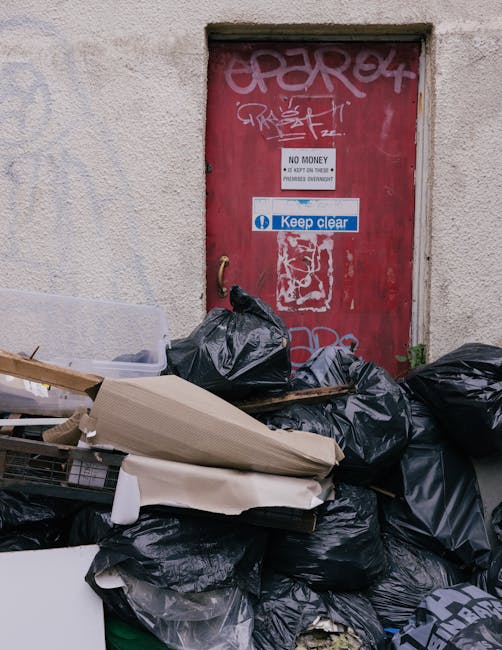
If you are trying to avoid hidden rubbish removal fees in Kingston upon Thames, you are probably doing the sensible thing: checking the small print before anyone turns up with a van and a surprise bill. That caution matters. Rubbish clearance should feel straightforward, not like a guessing game where the price climbs after the loading starts. In real life, the extra charges are often buried in vague wording, rushed quotes, or assumptions about access, weight, or waste type. This guide walks you through what to look for, how pricing usually works, and how to make a fair comparison without getting caught out.
To be fair, most clearance jobs are simple enough when everything is declared clearly. The trick is knowing which details change the cost and which ones are just sales fluff. Let's get into it.
Why avoiding hidden rubbish removal fees in Kingston upon Thames matters
Hidden charges are not just annoying. They can make a simple clearance job feel expensive, stressful, and hard to trust. In Kingston upon Thames, where homes range from compact flats to larger family houses and busy commercial spaces, rubbish removal can involve narrow stairwells, parking limits, controlled access, and mixed waste streams. All of that affects price. The problem starts when a company quotes too quickly without asking enough questions, then adds on extras later.
That is why transparency matters. A clear quote helps you compare like with like, set a realistic budget, and avoid awkward conversations on the day. It also shows that the business understands how clearance work actually happens. Good providers know that a loft clearance is not the same as a kerbside pickup, and a pile of old furniture is not the same as builders' rubble. Simple enough, but it gets blurred surprisingly often.
There is another reason this matters locally: Kingston residents often book clearance during moves, refurbishments, end-of-tenancy deadlines, or after a family house has been sorted. These jobs already come with time pressure. If the final invoice turns up heavier than expected, the whole process can feel chaotic. Nobody wants that last-minute sting.
Expert summary: The safest way to avoid surprise fees is to request a detailed, written quote, declare the waste honestly, and clarify every possible extra before booking.
How rubbish removal pricing usually works
Most rubbish removal companies price jobs using a mix of volume, weight, labour, access, and waste type. Sometimes it is one clear all-in price. Sometimes it is a base price plus conditions. The issue is not that different pricing models exist; the issue is when the model is not explained properly.
Here is what usually affects the final number:
- Volume: How much space the waste takes up in the van.
- Weight: Heavy materials can push costs up, especially builders' waste or mixed loads.
- Waste category: Furniture, appliances, garden waste, and hazardous items may be priced differently.
- Access: Stairs, long carries, no lift, limited parking, or restricted entry can add time and labour.
- Sorting: If items need separating for reuse, recycling, or special disposal, that may change the price.
- Timing: Same-day jobs, weekend collections, or out-of-hours work can sometimes cost more.
In practical terms, a company might quote based on what fits in the van when stacked carefully, then adjust if the pile is heavier, awkwardly packed, or mixed with restricted items. That adjustment can be fair if it was explained before booking. It is not fair if you only hear about it after the van is loaded. Tiny but important difference.
If you are dealing with a broader property clearance, it may help to look at related services such as house clearance, home clearance, or flat clearance so you can match the service to the job instead of overpaying for a generic collection.
Key benefits and practical advantages
Clear pricing is not just about saving money on the day. It improves the whole experience.
- Better budgeting: You know what you are paying before the team arrives.
- Less stress: No awkward haggling with a van waiting outside.
- Faster decisions: It becomes easier to compare providers properly.
- Fewer disputes: Transparent terms reduce misunderstandings later.
- Better service fit: The right quote usually reflects the real scope of work.
There is also a quality signal here. A provider that explains pricing clearly often explains the rest of the job clearly too: what is included, what is excluded, what happens to reusable items, and how the waste is handled. That tends to be a good sign. Not a guarantee, obviously, but a good sign.
For certain items, such as a worn-out sofa, mattress, or fridge, it can be worth checking dedicated pages like mattress and sofa disposal or fridge and appliance removal because specialist handling can affect the quote and avoids assumptions that lead to add-ons.
Who this is for and when it makes sense
This topic matters to anyone booking a clearance in Kingston upon Thames, but especially people in these situations:
- Homeowners clearing a loft, garage, shed, or spare room
- Tenants moving out and trying to leave a property tidy
- Landlords or letting agents arranging end-of-tenancy clearance
- Business owners clearing office clutter or stock
- Tradespeople who need builders' waste removed after a job
- Families handling a bereavement or major downsizing
It also makes sense if you have never booked rubbish removal before. First-time customers are the easiest to overcharge, not because they are careless, but because they do not yet know the questions to ask. That is normal. Nobody wakes up knowing the difference between a fair access surcharge and a made-up inconvenience fee.
For commercial or recurring waste needs, a service such as business waste removal may be more suitable than a one-off collection, while builders and renovators may need builders' waste clearance for heavy or mixed site debris.
Step-by-step guidance
Here is a practical process you can follow before you agree to any rubbish collection quote.
- List what needs removing. Be specific. "Old stuff from the garage" is too vague. "Two wardrobes, a broken mower, four black bags, and a dismantled shelf" is much better.
- Separate item types. Keep furniture, appliances, garden waste, and rubble in different groups if possible.
- Take photos from several angles. Bright daylight helps. A quick phone picture in the morning can save a lot of back-and-forth.
- Explain access clearly. Mention stairs, parking, long carry distances, lift access, locked gates, or anything awkward.
- Ask what is included. Confirm labour, loading, disposal, VAT if applicable, and whether the price is fixed.
- Ask about extra charges. Find out what could increase the price before the job starts.
- Request written confirmation. A message or quote email is better than a vague phone chat. Much better.
- Check the company's other information. Look at pages such as pricing and quotes, payment and security, and terms and conditions so you know how the business frames its service.
If a company refuses to clarify the quote, that is your cue to pause. Sometimes the best saving is walking away from a slippery quote, even if the number sounded good at first glance.
Expert tips for better results
Here are the little things that usually make the biggest difference.
Be honest about the mix of waste
A load that looks small can become awkward if it contains heavy or restricted items. Say so upfront. It is better to over-explain than under-explain and get re-priced later.
Ask whether the quote is based on van space, weight, or both
That one question clears up a lot. Some businesses work mainly by volume. Others factor in weight more heavily. If you know the model, you can judge whether the price is sensible.
Look out for vague language
Phrases like "subject to inspection," "additional charges may apply," or "from only" are not automatically bad. But if they are not explained, they can become a soft landing spot for hidden fees.
Don't forget access costs
A ground-floor collection with easy parking is one thing. A third-floor flat with no lift and a tight staircase is another. In Kingston, that difference is especially relevant in older terraces and converted buildings.
Check recycling and responsible disposal
Clearance should not be just about getting rid of stuff. If sustainability matters to you, ask how items are sorted. A good provider should be able to explain how reusable items and recyclable materials are handled. You can also review their approach on recycling and sustainability.
One last thing: if you are clearing a lot of bulky furniture, a page like furniture clearance can help you understand whether your job needs a more focused service. That alone can prevent a lot of guesswork.
Common mistakes to avoid
Most hidden-fee problems come from a few predictable mistakes. Good news: they are easy to avoid once you know them.
- Booking on price alone: The cheapest quote is often the least complete one.
- Sending only one blurry photo: The collector cannot assess the load properly.
- Not mentioning awkward access: This is one of the most common causes of extra charges.
- Assuming all waste is treated equally: Appliances, mattresses, rubble, and garden waste are not the same thing.
- Ignoring terms and conditions: A ten-minute read can save a lot of hassle.
- Forgetting about prohibited items: Some materials need special handling and may be refused or charged differently.
Rubbish removal is not exactly thrilling. No one is pretending otherwise. But the boring bit, the checking and confirming, is what keeps the bill calm.
Tools, resources and recommendations
You do not need fancy tools to avoid hidden rubbish removal fees. A few basic habits are enough.
- Your phone camera: Use clear, well-lit photos from multiple angles.
- A simple item list: Write down the number and type of items before requesting quotes.
- Measuring tape: Useful for large furniture, wardrobes, appliances, or awkward items.
- Notes app or message history: Keep a written record of what was agreed.
- Basic sorting boxes or bags: Separate recyclables, donations, and waste where possible.
It can also help to read practical service pages before booking, especially if your load is a bit mixed. For example, loft clearance, garage clearance, and garden clearance cover common jobs that often involve clutter, access issues, and a surprising amount of dust. You know the sort of thing. Old boxes, broken bits, a faint smell of damp, and somehow three extension leads tangled round each other.
If your job involves hazardous or specialist waste, never assume it is included in a standard collection. Check dedicated information such as hazardous waste disposal before you book.
Law, compliance, standards and best practice
Waste removal in the UK is not just a matter of loading a van and driving away. Businesses should operate in line with applicable waste handling duties, safety expectations, and environmental best practice. The exact obligations depend on the waste type and the service involved, so it is sensible to treat unusually cheap or vague offers with caution.
From a customer point of view, the most practical compliance checks are these:
- Ask how waste is handled: A reputable business should explain sorting, transport, and disposal in plain English.
- Check safety information: Good providers usually publish details on handling, staff safety, and insurance. See insurance and safety and health and safety policy.
- Watch for restricted materials: Certain waste streams may need specialist disposal or advance notice.
- Keep written proof: Written quotes and terms reduce the risk of "that was never included" arguments.
If you are disposing of confidential papers, separate them from general rubbish and use a service designed for sensitive material. There is a specific page for confidential shredding, which is far better than tossing documents into a mixed load and hoping for the best.
Best practice, in plain terms, means no surprises. Clear scope, clear price, clear handling, clear communication. It sounds simple because it should be.
Options, methods, or comparison table
Different waste removal options suit different jobs. Here is a simple comparison to help you choose without falling into hidden-fee territory.
| Option | Best for | Typical pricing style | Watch out for |
|---|---|---|---|
| Man and van rubbish removal | Small to medium mixed loads | Often based on volume or load size | Access charges, heavy items, vague "from" prices |
| Specialist item disposal | Mattresses, sofas, fridges, appliances | Item-based or service-specific pricing | Extra handling fees if items are not declared properly |
| House or home clearance | Whole-room or whole-property jobs | Survey-based or quoted after photos | Understated volumes, stairs, and time overruns |
| Builders' waste clearance | Renovation debris, rubble, mixed site waste | Usually influenced by weight and material type | Heavier waste, contamination, and access issues |
| Skip hire | DIY projects and ongoing clear-outs | Hire period plus collection | Permit needs, prohibited items, overfilling |
If you are comparing between a clearance service and a skip, the page what can go in a skip can be useful for understanding what you can and cannot throw in. That knowledge alone can save a lot of friction.
Case study or real-world example
Here is a simple real-world scenario. A Kingston resident is clearing a spare room after a house move. They have a single bed frame, a mattress, two office chairs, several bags of mixed clutter, and a small fridge. They ask for a quick quote using one photo taken in low light. The first estimate looks fine, but the provider cannot tell that the fridge needs separate handling, the stairs are steep, and the parking is awkward.
If the job goes ahead without those details, the price may rise on arrival. Not because the provider is being difficult, but because the original assessment was incomplete. That is exactly the kind of situation where hidden fees can creep in.
Now compare that with a better approach. The customer sends clear photos, states the fridge is included, mentions the stairs, and asks whether the quote is fixed. The provider can price properly, the customer knows where they stand, and the collection runs much more smoothly. Bit less dramatic, bit more boring, which is usually what you want with rubbish removal.
This same approach works for a loft clear-out or a garden job after a wet weekend when everything feels half-buried in mud and twigs. The better you describe the job, the less chance there is of a surprise invoice later.
Practical checklist
Use this quick checklist before you confirm any clearance booking in Kingston upon Thames.
- Have I listed every item clearly?
- Have I explained access, stairs, parking, and lifting conditions?
- Have I asked whether the quote is fixed or estimate-based?
- Do I know what is included in the price?
- Have I asked about extra charges for weight, labour, or restricted items?
- Do I have the quote in writing?
- Have I checked terms and conditions carefully?
- Do I need a specialist service for appliances, furniture, or hazardous items?
- Have I asked how waste will be handled or recycled?
- Do I feel comfortable with the company's communication so far?
If you can tick most of those boxes, you are in a much stronger position. And if the answer to several of them is "not yet," pause and sort that out first. A few extra minutes now can save a lot later.
Get a free quote today and see how much you can save.
Conclusion
Hidden rubbish removal fees are usually avoidable. The pattern is simple: vague quote, incomplete information, surprise charge. Break that pattern by being specific, asking direct questions, and insisting on a clear written quote before anything is collected. In Kingston upon Thames, where access and property layouts can vary so much from one street to the next, that habit is worth its weight in, well, not rubbish exactly, but close.
Focus on clarity, not just cost. Choose the provider that explains things properly, treats your job as a real job, and makes you feel informed rather than hurried. That is the difference between a tidy clearance and a messy bill.
When the process is transparent, the whole day feels lighter. Fewer worries, fewer surprises, and a lot less junk hanging over your head.
Frequently Asked Questions
How do I avoid hidden rubbish removal fees in Kingston upon Thames?
Ask for a written quote, describe the waste honestly, explain access details, and confirm whether the price includes labour, disposal, VAT, and any special handling.
Why do rubbish removal prices change after the quote?
Prices often change when the original information was incomplete. Common reasons include extra weight, difficult access, more waste than expected, or items that need specialist handling.
Is a fixed price better than an estimate?
Usually, yes, if the job has been described accurately. A fixed price gives more certainty, while an estimate can move up or down depending on the final scope.
What details should I send when asking for a quote?
Send clear photos, item counts, waste type, floor level, parking notes, and whether anything is heavy, fragile, or awkward to move.
Do stairs or no lift usually cost more?
They can. Extra labour and carrying time often affect the price, especially in flats and older buildings.
Are appliance removals priced differently from general rubbish?
Often they are. Items like fridges, freezers, and washing machines may need separate handling, so it is best to mention them early.
Should I worry about very cheap quotes?
Sometimes. A low price can be genuine, but if the quote is vague or rushed, it may not include all the costs. The cheapest number is not always the best deal.
Can I reduce the cost by sorting items myself?
Yes, often you can. Separating furniture, recycling, and general rubbish can make the load easier to assess and may help avoid extra sorting time.
What if the company says the final price depends on inspection?
That is not necessarily a problem, but ask what could change the price and by how much. If they will not explain it, be careful.
Do I need to read terms and conditions before booking?
Yes. It is one of the best ways to spot extra charges, cancellation rules, and limits on what is included.
Is the recycling process something I should ask about?
Absolutely. A trustworthy company should be able to explain how items are sorted and whether reusable or recyclable materials are separated responsibly.
What should I do if I think I have been overcharged?
Check the written quote, compare it with what was agreed, and raise the issue promptly. If the business has a complaints process, use it so the matter is recorded properly.
Can I book online for a clearer pricing process?
Online booking can help if it asks for the right details and confirms the scope clearly. It is still worth checking the quote and terms before paying.
What is the safest way to book rubbish removal for a house clearance?
Provide a full item list, send photos, mention access, and choose a provider that offers a clear service such as house clearance or home clearance rather than a vague one-size-fits-all approach.
At the end of the day, clear pricing is about respect as much as money. When a service is honest from the start, everything else tends to feel easier. That's the kind of calm you want when the boxes are stacked high and the van is finally on its way.